
Underground Cities
$30/
Per Person
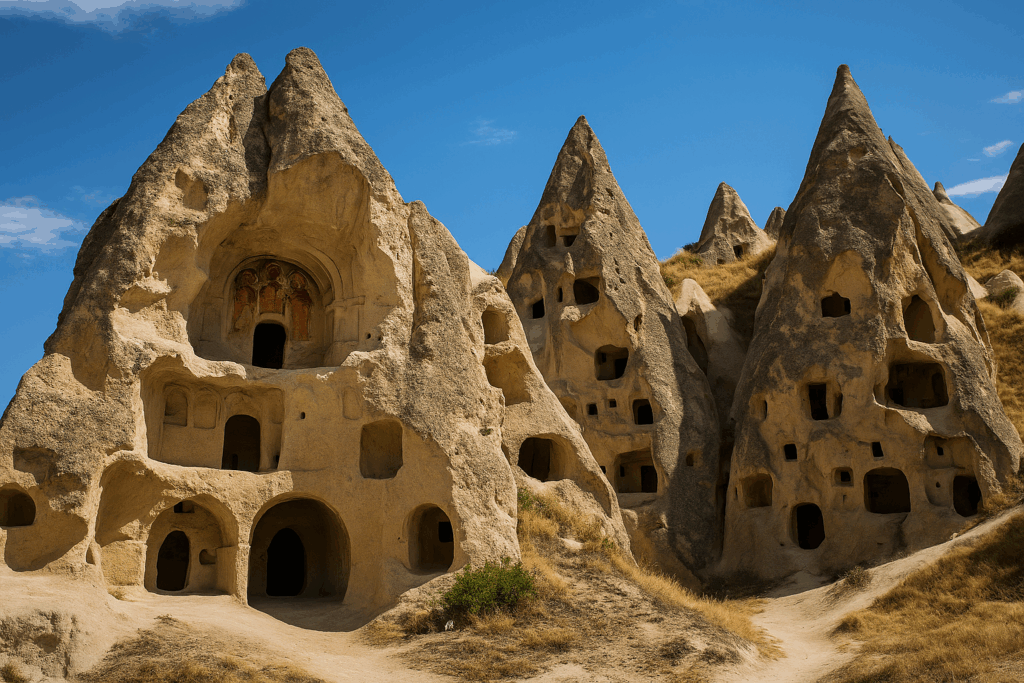
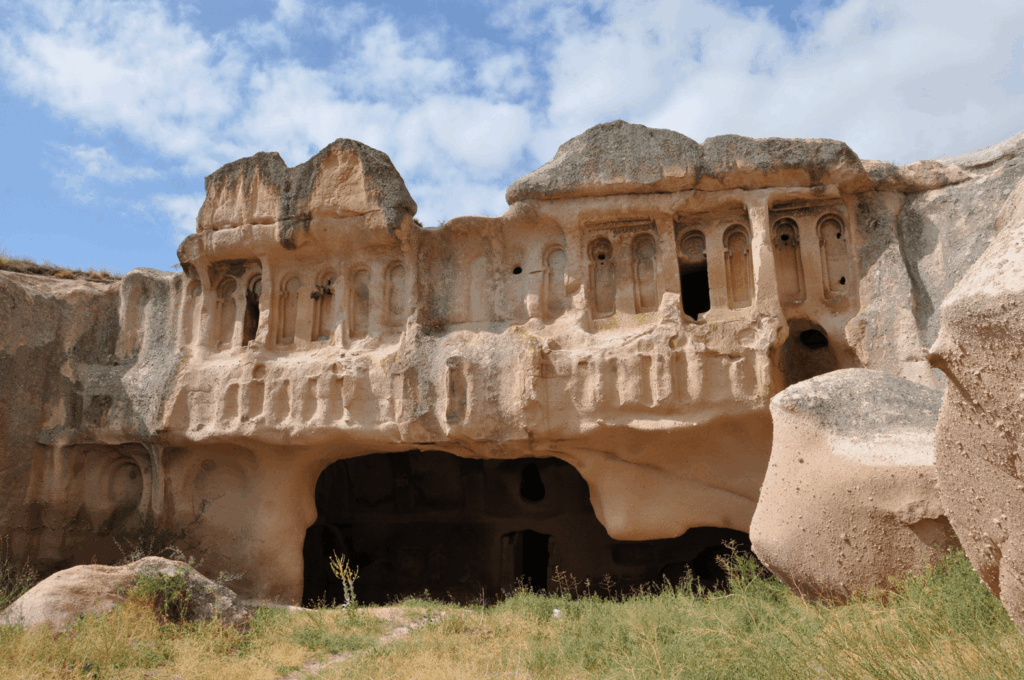
Cappadocia’s landscape, shaped by volcanic eruptions millions of years ago, consists of soft tuff overlaid with harder basalt in some areas. The tuff, easily carved yet durable when exposed to air, allowed ancient inhabitants to sculpt elaborate structures directly into cliffs, fairy chimneys, and plateaus. Erosion created the region’s iconic surreal landscape, which humans adapted for practical and spiritual purposes.
Underground Cities:
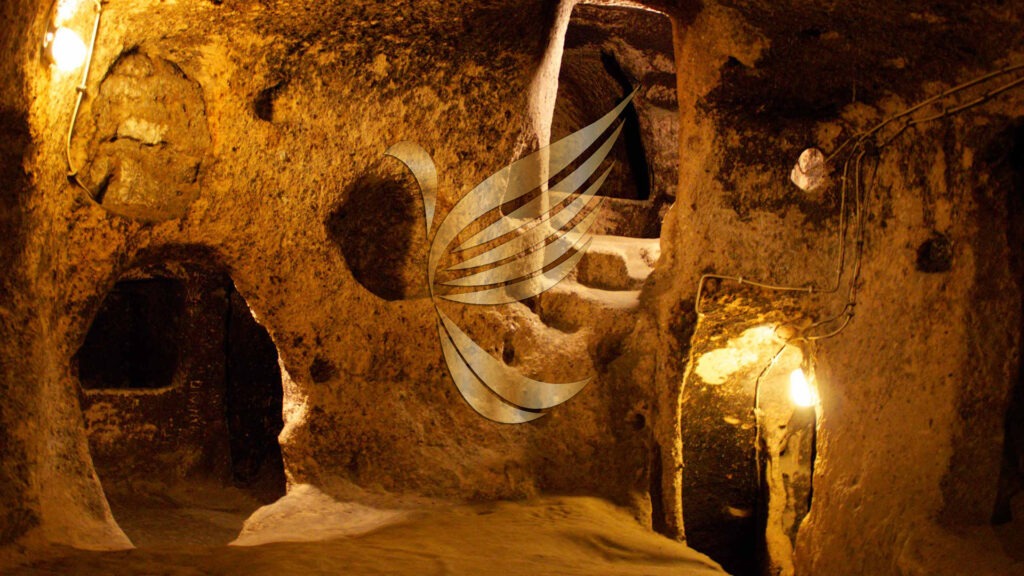
Cappadocia is famous for its extensive underground cities, such as Derinkuyu and Kaymakli, carved as early as the Hittite period (c. 1600 BCE) but expanded significantly during the Byzantine era (4th–13th centuries).
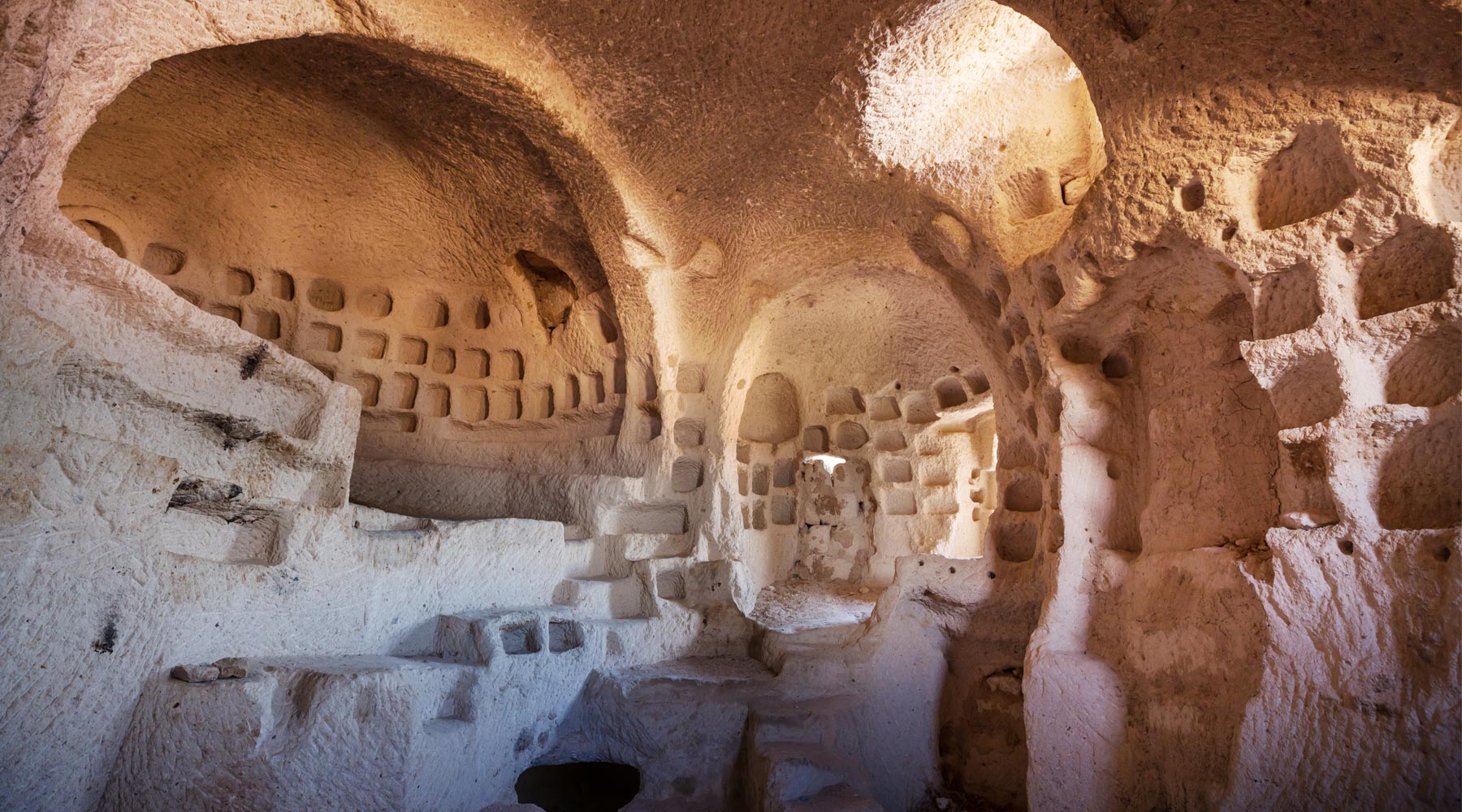
These multi-level complexes, reaching depths of up to 85 meters (e.g., Derinkuyu), housed thousands of people during times of invasion, with ventilation shafts, water wells, storage rooms, churches, and defensive features like rolling stone doors.
Purpose: Refuge from invaders (e.g., Persians, Arabs, Mongols) and harsh winters, with self-sustaining systems for prolonged habitation.
Rock-Cut Churches and Monasteries:
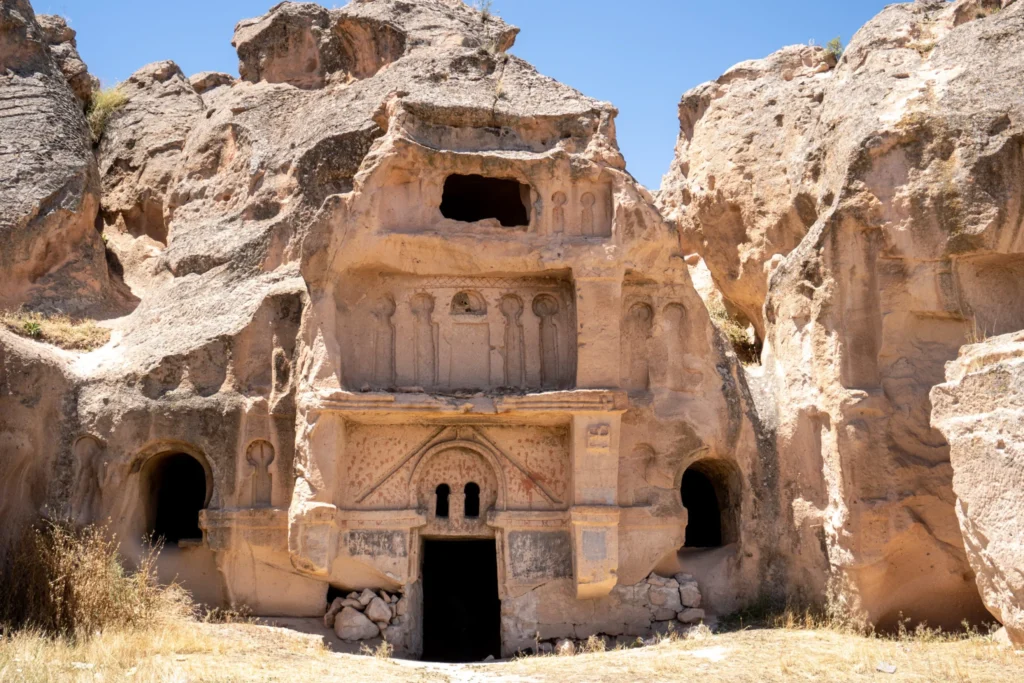
Hundreds of churches were carved into the tuff, particularly in Göreme, Ürgüp, and Soğanlı Valley, during the Byzantine period.
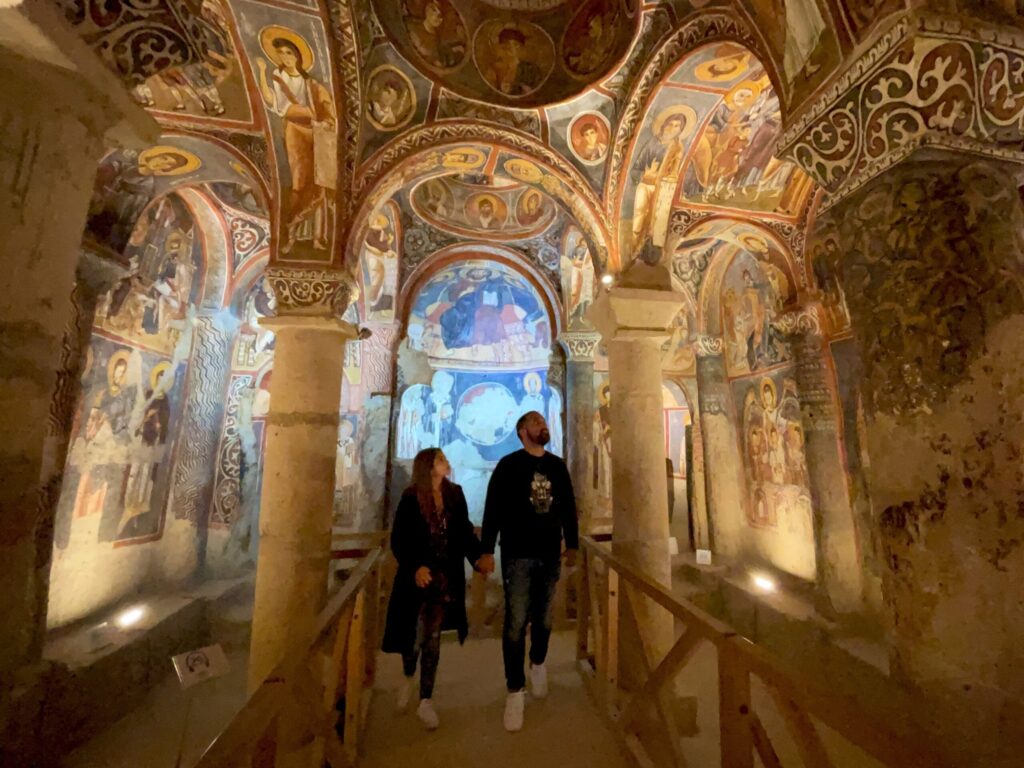
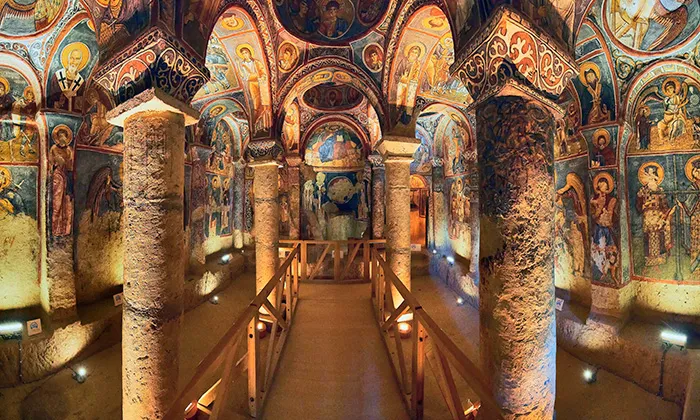
Notable examples include the Göreme Open Air Museum, a UNESCO World Heritage Site, featuring churches like the Dark Church (Karanlık Kilise) and Tokalı Kilise, adorned with vibrant frescoes depicting biblical scenes.
Features: Barrel-vaulted ceilings, apses, naves, and columns, all carved from solid rock. The frescoes, painted between the 9th and 11th centuries, reflect Byzantine art with vivid colors preserved by the dry climate.
Monastic complexes like those in Zelve and Çavuşin included living quarters, refectories, and chapels, supporting communal religious life.
Dwellings and Villages:
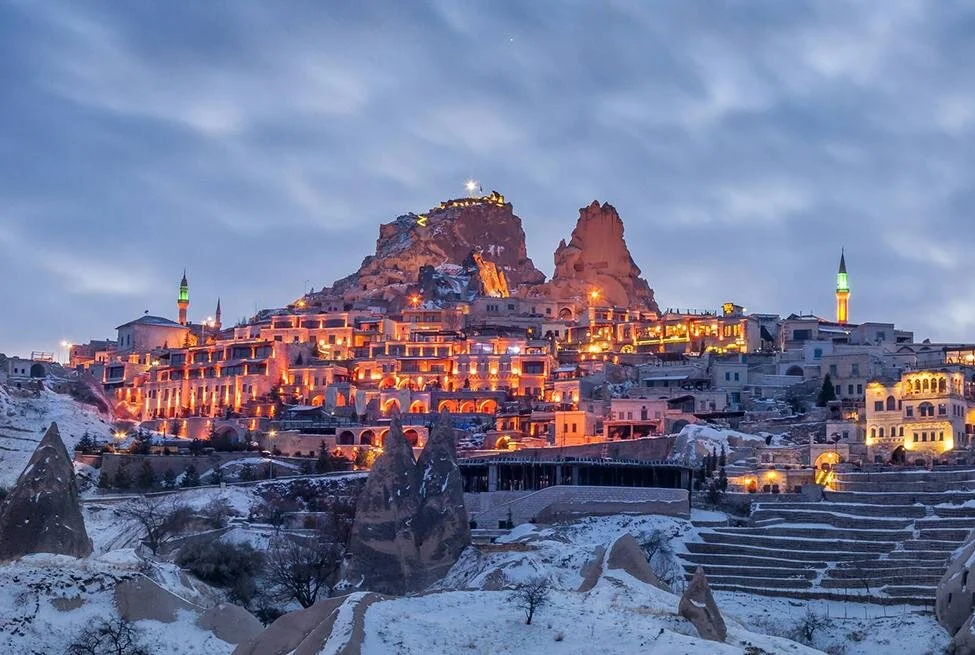
Entire villages, such as Çavuşin and Uçhisar, were carved into cliffs or fairy chimneys, with homes featuring rooms, kitchens, and storage areas.
Natural insulation of the tuff provided cool interiors in summer and warmth in winter, ideal for the region’s extreme climate.
Pigeon Houses:
Small niches carved high in cliffs housed pigeons, whose droppings were used as fertilizer for vineyards and orchards, a practice continuing into modern times.
These structures often featured decorative facades, blending functionality with aesthetics.
Included and Excluded
- Round-trip transport from your hotel in Göreme, Ürgüp, or Uçhisar to key sites like Göreme Open Air Museum, Derinkuyu, and Ihlara Valley, usually in air-conditioned vans or buses.
- Professional English-speaking guides who provide historical and cultural insights at sites like rock-cut churches, underground cities, and Uçhisar Castle.
- Admission to major sites, such as Göreme Open Air Museum and Derinkuyu Underground City, is covered in the tour price.
- Souvenirs, drinks outside of meals, and tips for guides or drivers are typically not covered.
Highlights of the Tour
- Cappadocia’s rock-cut architecture, carved into soft volcanic tuff, includes remarkable underground cities, churches, and dwellings from the Byzantine era.
- The Göreme Open Air Museum showcases vibrant frescoes in rock-cut churches like the Dark Church, reflecting medieval Christian art.
- Derinkuyu, the largest underground city, housed thousands with intricate tunnels, ventilation, and defensive stone doors. Ihlara Valley offers a scenic hike past over 100 rock-cut churches adorned with unique frescoes.
- Uchisar Castle, a natural rock fortress, provides panoramic views and a maze of carved rooms.
- Zelve’s abandoned rock-cut village and pigeon houses highlight the region’s blend of daily life and natural geology.
Frequently Asked & Question
Key sites include the Göreme Open Air Museum for its frescoed churches, Derinkuyu and Kaymakli underground cities for their multi-level tunnels, Ihlara Valley for its scenic rock-cut churches, and Uchisar Castle for its carved fortress and views.
Essential equipment includes touring skis, bindings, climbing skins, poles, boots suitable for touring, safety gear (avalanche transceiver, shovel, probe), and appropriate clothing for variable weather conditions.
Most guided tours last 6–8 hours for a full-day itinerary, covering 2–3 major sites like Göreme and Derinkuyu; multi-day tours (2–3 hours) include additional sites like Ihlara Valley and Zelve.
Underground cities like Derinkuyu have narrow, low tunnels and may not suit those with claustrophobia or mobility issues; above-ground sites like Göreme’s churches are more accessible.
Wear comfortable shoes for walking and hiking, bring a light jacket for cool underground sites, and carry water, a hat, and sunscreen for outdoor areas like Ihlara Valley.
Yes, many outdoor adventure companies offer guided ski touring trips led by experienced guides who can enhance safety, provide local knowledge, and help plan routes.
Our tour include entry fees for major sites like Göreme Open Air Museum and Derinkuyu, but some, like the Dark Church, may have additional fees ($5–$10 USD).
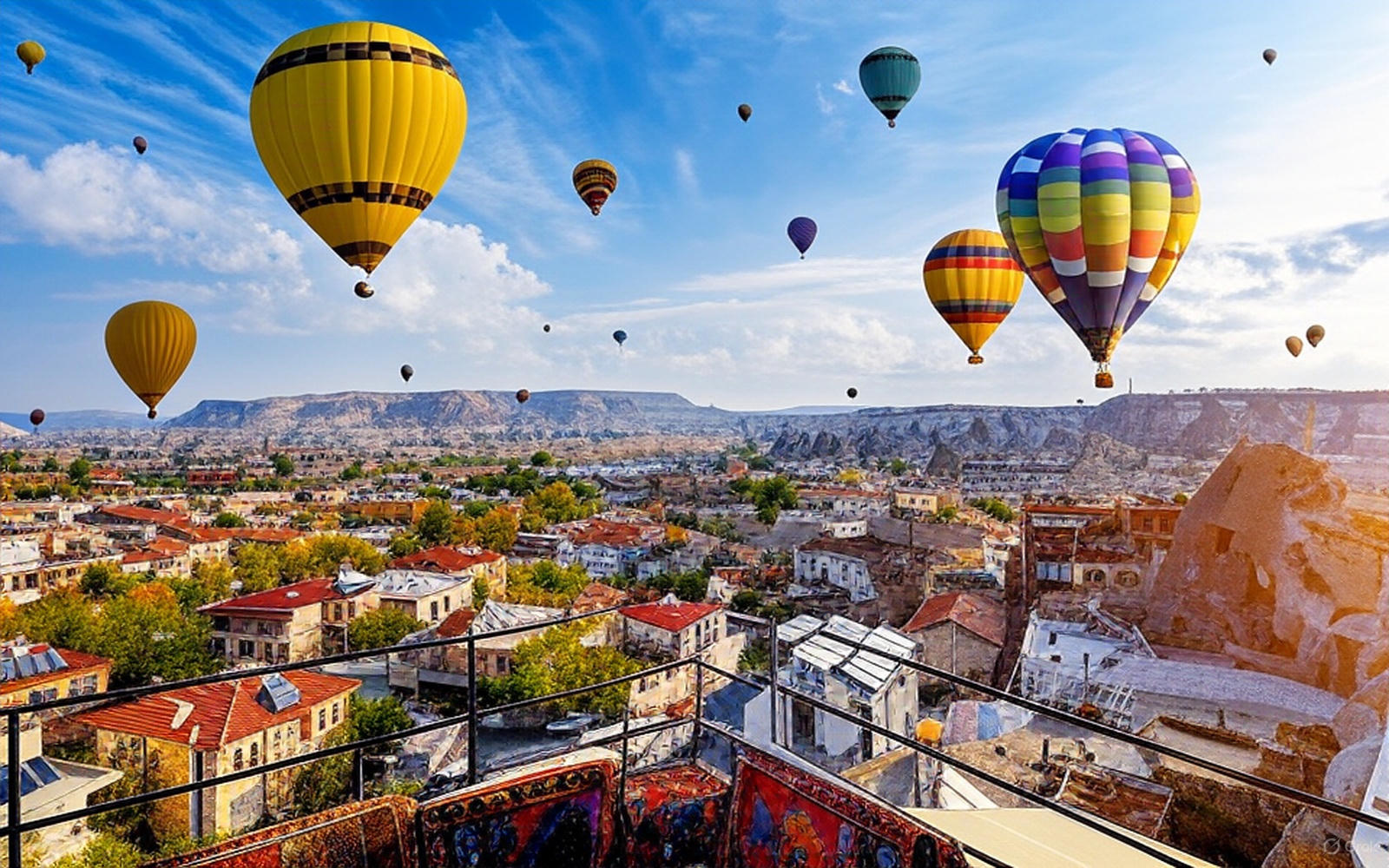
Yes, many tours offer optional sunrise balloon rides ($150–$300 USD) for aerial views of rock-cut sites, typically scheduled before ground tours begin.