
To More Inquiry
Turkey: A Tapestry of History and Culture
Turkey, a transcontinental nation bridging Europe and Asia, boasts a rich history spanning millennia and a vibrant culture that blends Eastern and Western influences. From ancient civilizations to modern traditions, Turkey’s heritage is a cornerstone of its allure, making it an ideal destination for travelers starting their journey in Istanbul and venturing to Cappadocia.
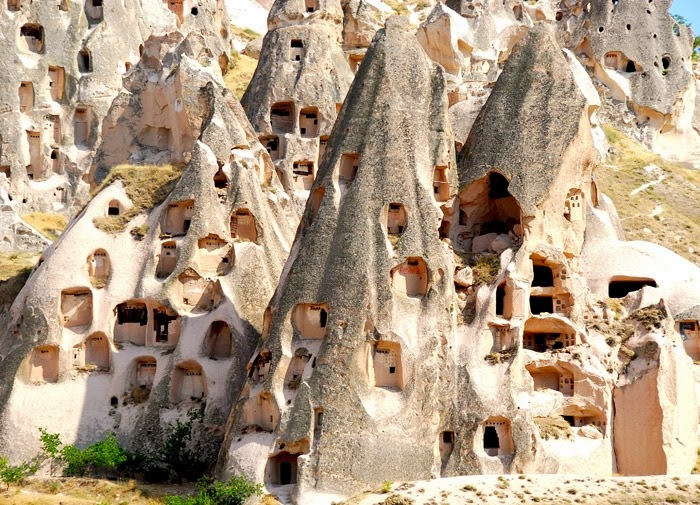
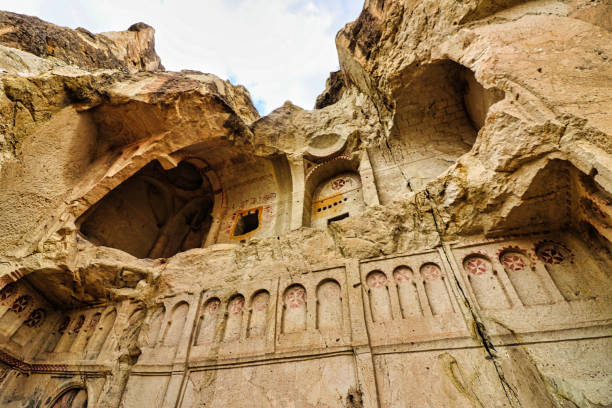
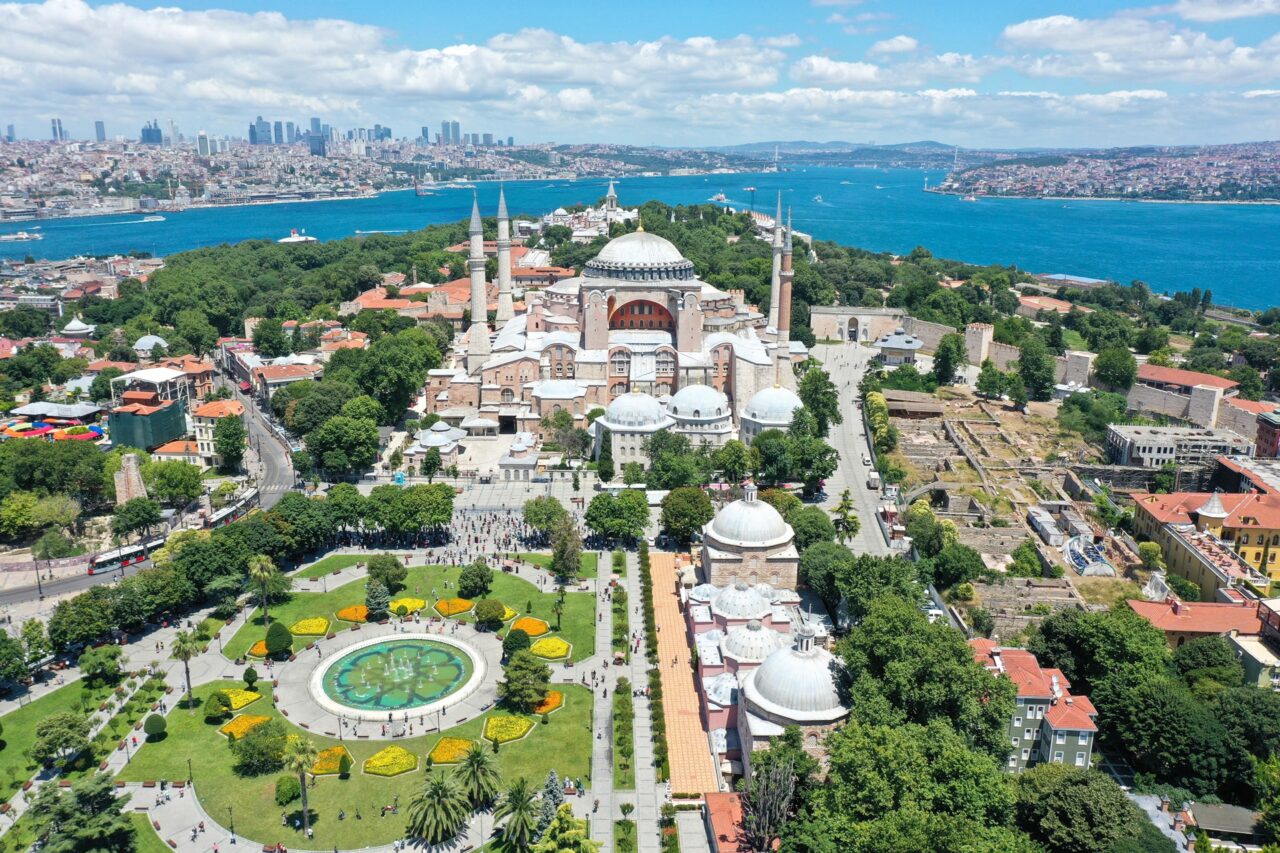
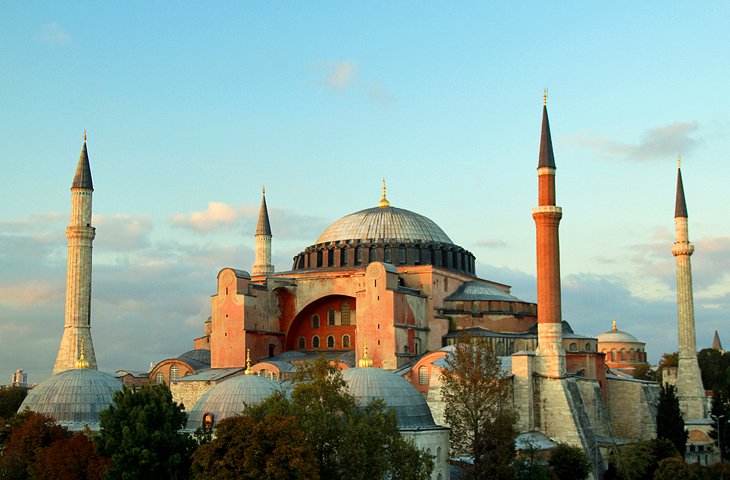
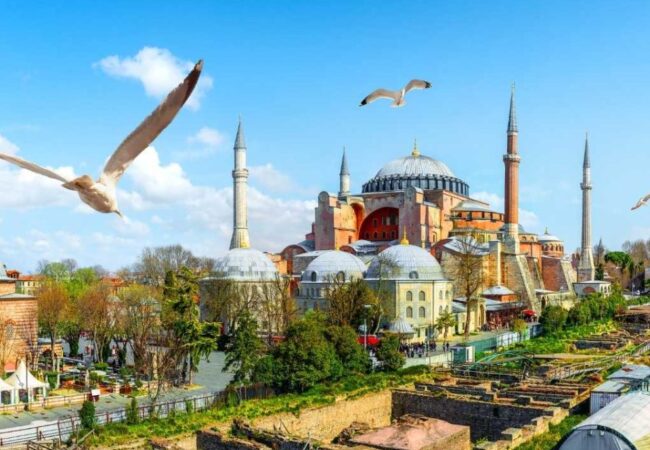
Turkey’s history, rooted in Anatolia, spans over 10,000 years. Göbekli Tepe (9600 BCE), a prehistoric sanctuary, predates Stonehenge, marking humanity’s earliest monumental structures. The Hittites (1600–1178 BCE) established a powerful empire, with ruins at Hattusa. Greek and Persian influences followed, with cities like Ephesus becoming cultural hubs. The Romans transformed the region, founding Constantinople (modern Istanbul) in 330 CE as the Byzantine Empire’s capital. The Hagia Sophia, with its soaring dome and mosaics, epitomizes this Christian era. Cappadocia’s underground cities, like Derinkuyu, sheltered early Christians from persecution.
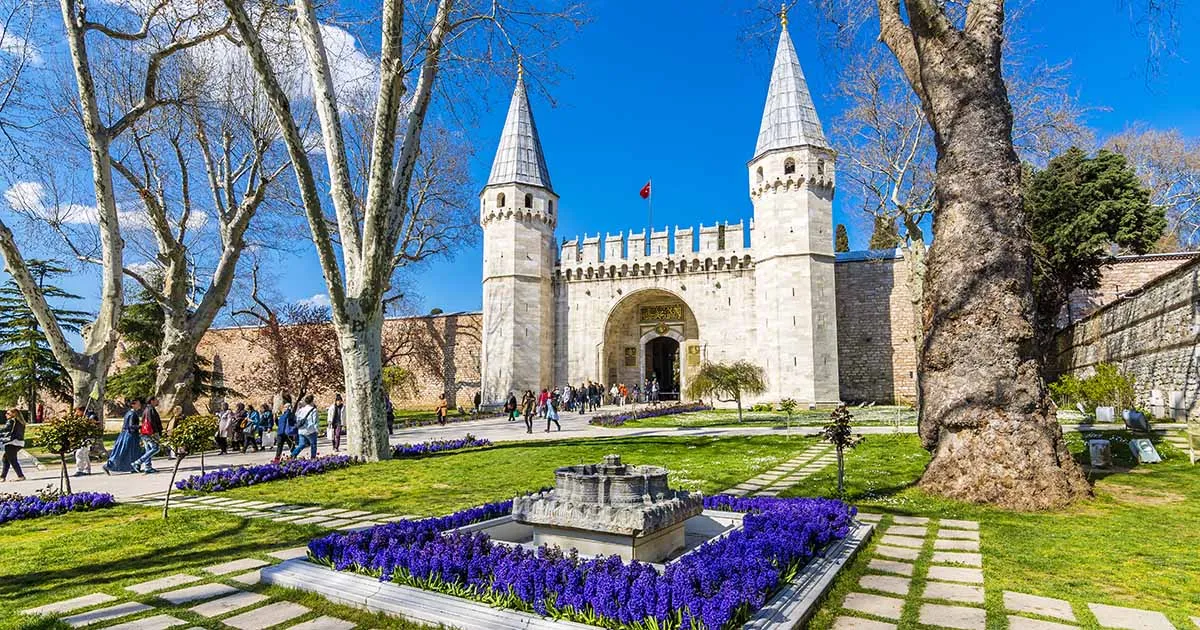
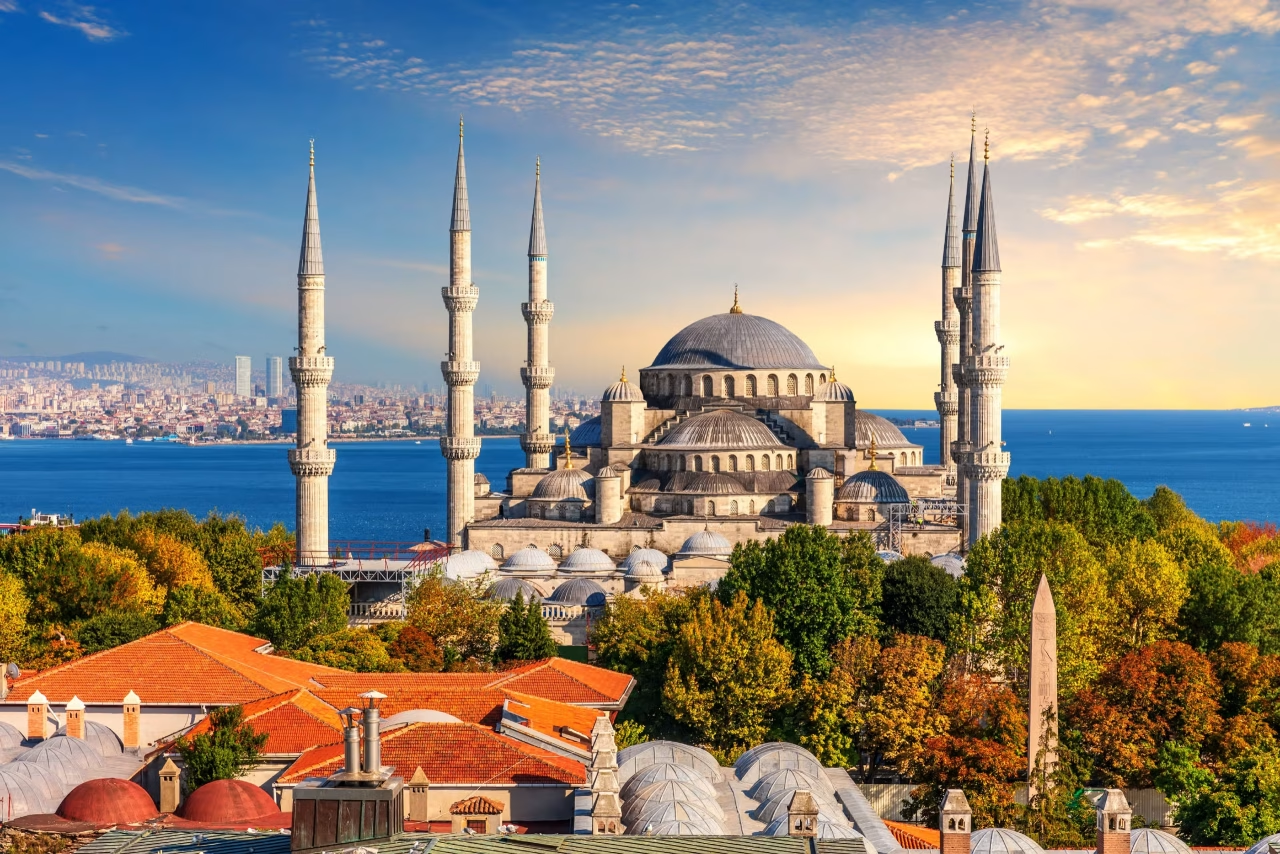
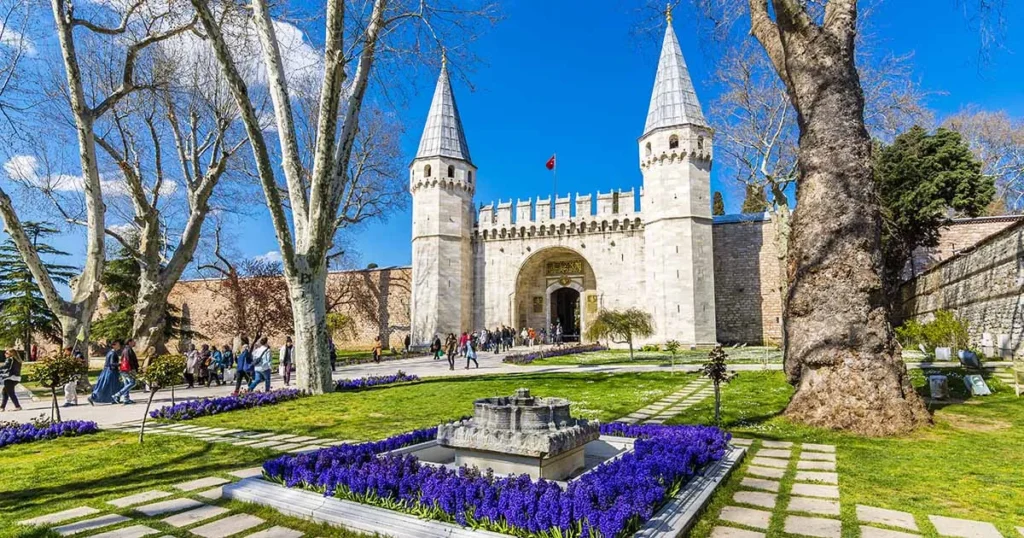
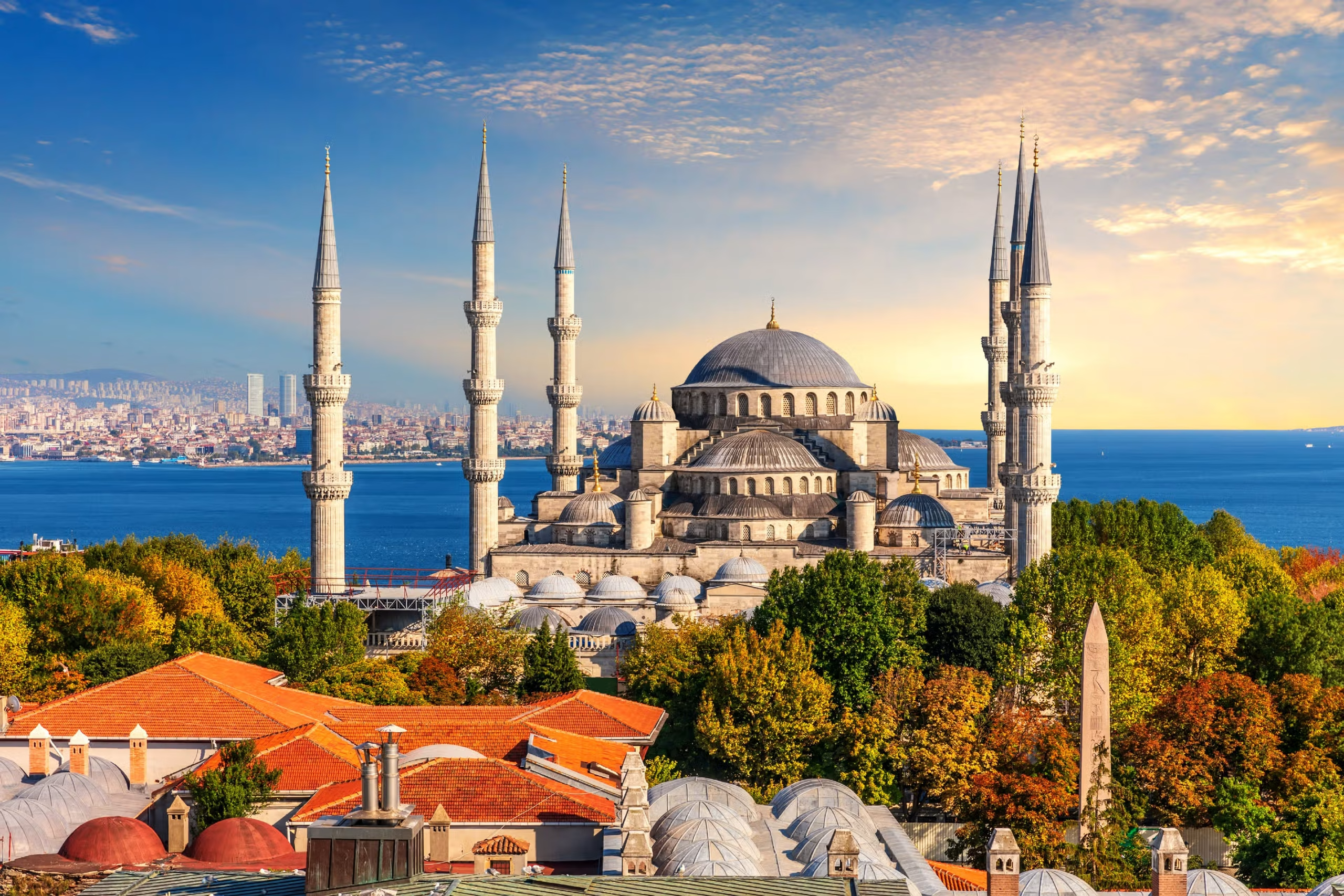
In 1299, the Ottoman Empire rose, conquering Constantinople in 1453 under Mehmet II, renaming it Istanbul. At its height, the empire spanned three continents, blending Turkish, Islamic, and Persian traditions. Architectural marvels like Topkapi Palace and the Blue Mosque reflect Ottoman grandeur. After World War I, Mustafa Kemal Atatürk founded the Republic of Turkey in 1923, introducing secular reforms, a Latin alphabet, and modernization, shaping the nation’s modern identity.
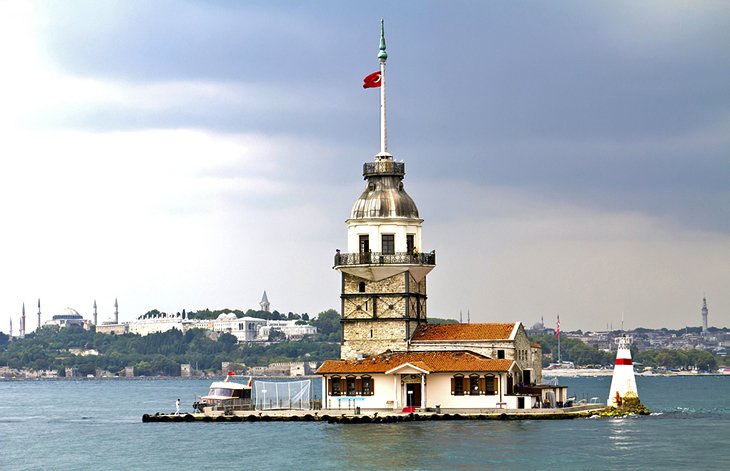
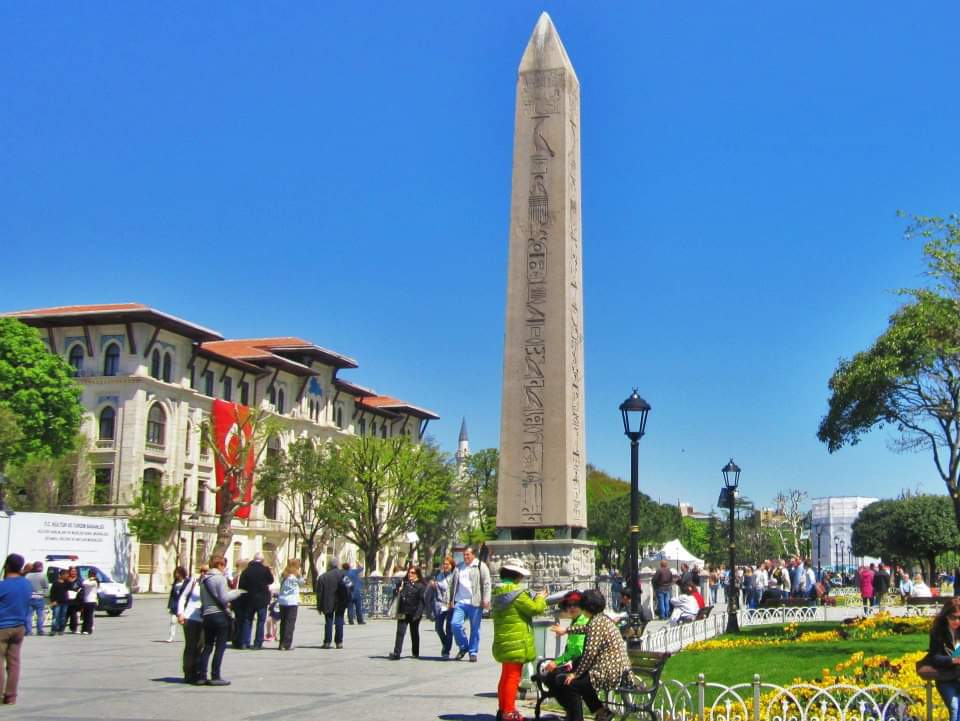
Turkey’s culture is a fusion of its diverse heritage. Islam, practiced by 99% of Turks (mostly Sunni), shapes daily life, with mosques like Istanbul’s Süleymaniye and Cappadocia’s rock-cut churches showcasing religious diversity. The Sufi whirling dervishes, rooted in Konya, perform spiritual rituals, often in Cappadocia.
Turkish cuisine blends Central Asian, Middle Eastern, and Balkan flavors. Istanbul’s eateries offer kebabs, meze (hummus, stuffed grape leaves), and baklava, while Cappadocia’s testi kebab, cooked in clay pots, is a local specialty. Turkish breakfasts, with cheeses, olives, and honey, are a communal tradition. Tea (çay) and Turkish coffee fuel social bonds.
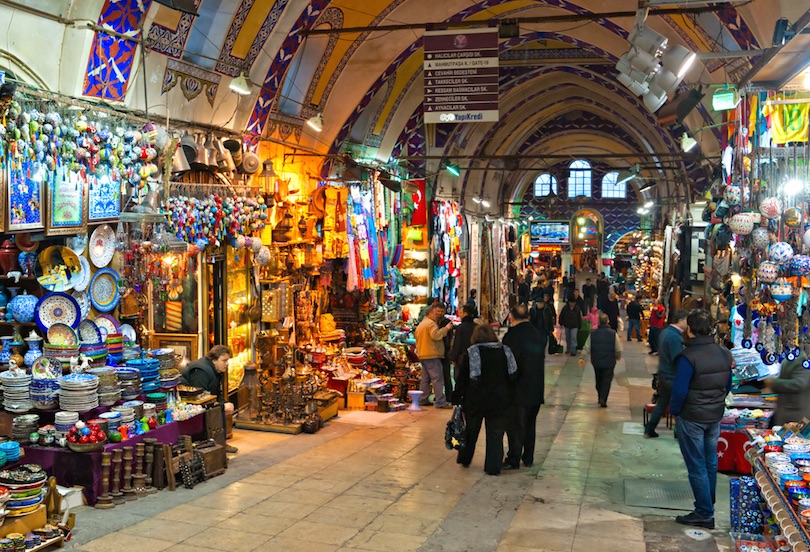
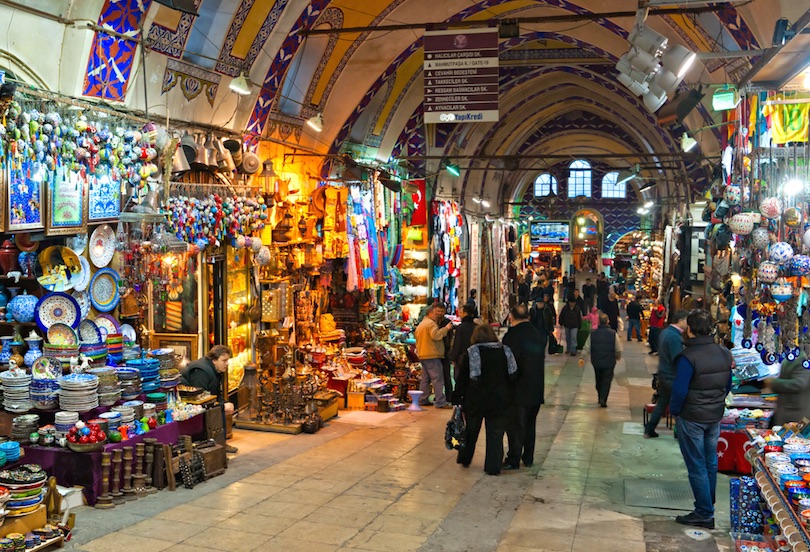
Art thrives in Istanbul’s Grand Bazaar, with handwoven carpets, Iznik tiles, and calligraphy. In Cappadocia, Avanos artisans craft pottery using ancient techniques. Music, from Ottoman classical to folk, and dances like the halay enliven festivals. Turks are renowned for hospitality, often sharing tea or meals. Festivals like Ramadan feature feasts and charity, while hamams (Turkish baths) offer a timeless ritual. The Turkish language, using a Latin script since 1928, is enriched by literary figures like Yunus Emre and Orhan Pamuk.
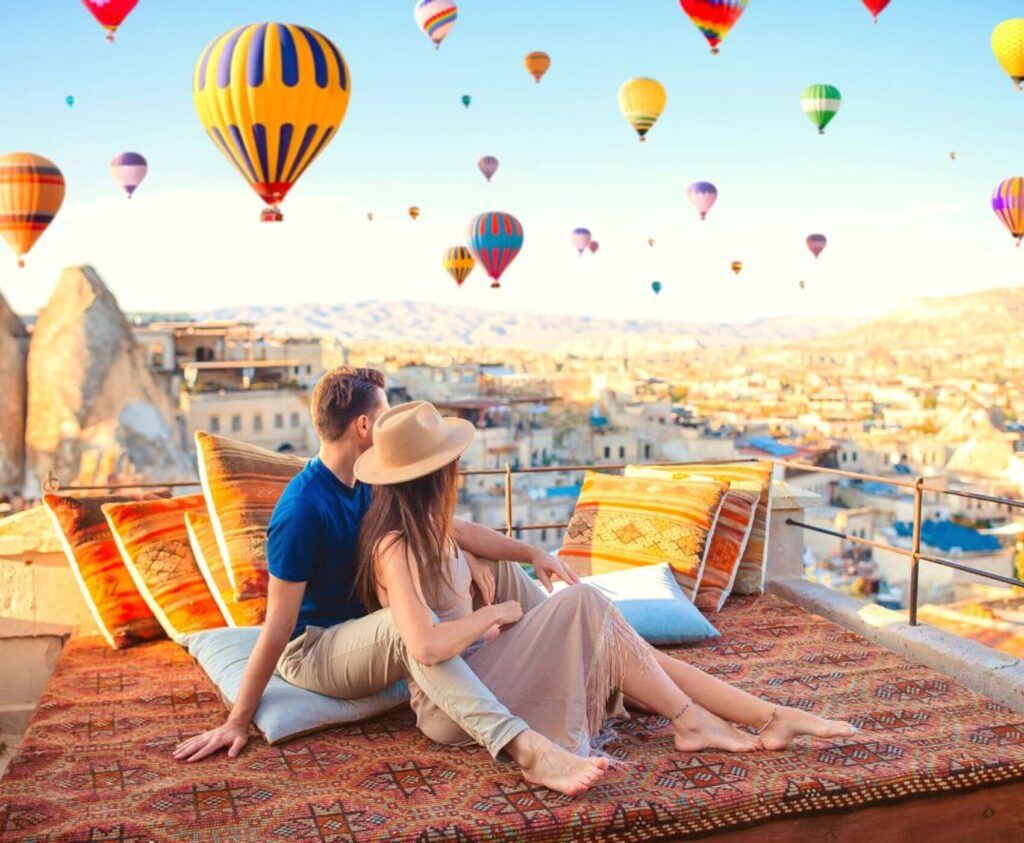
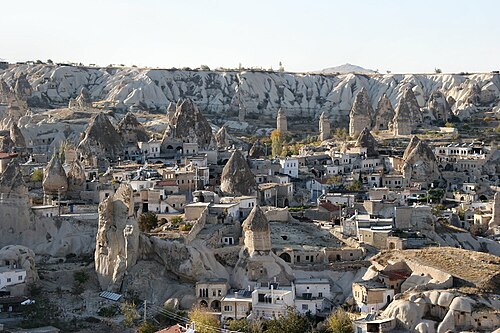
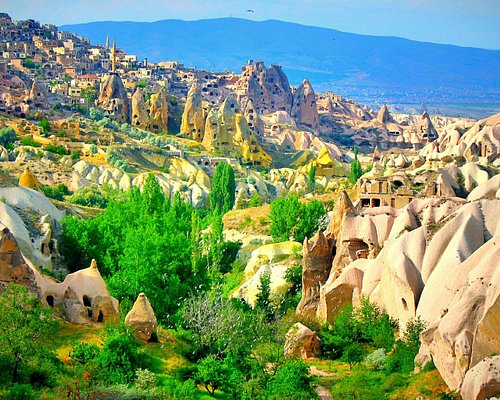
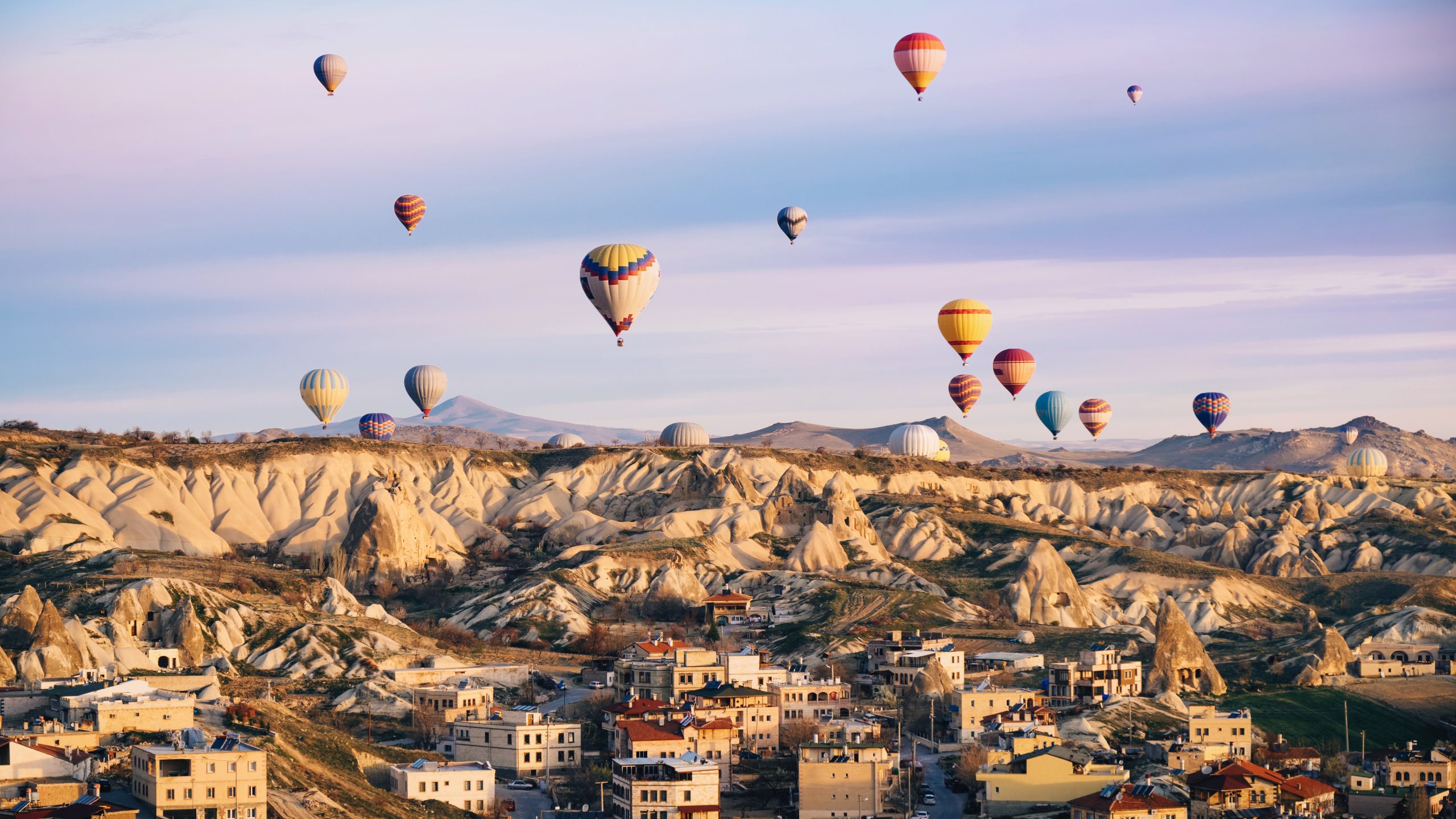
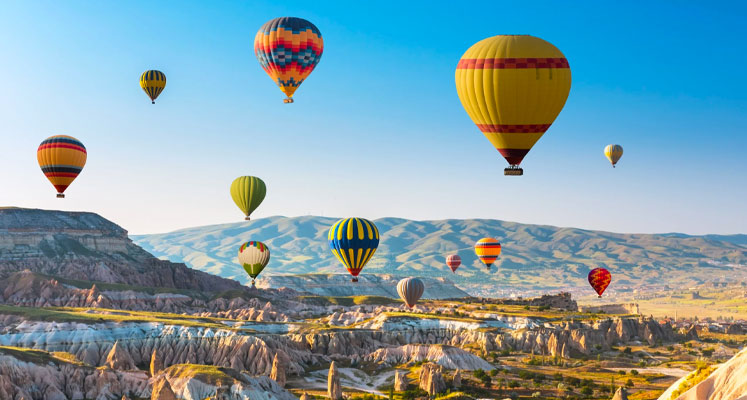
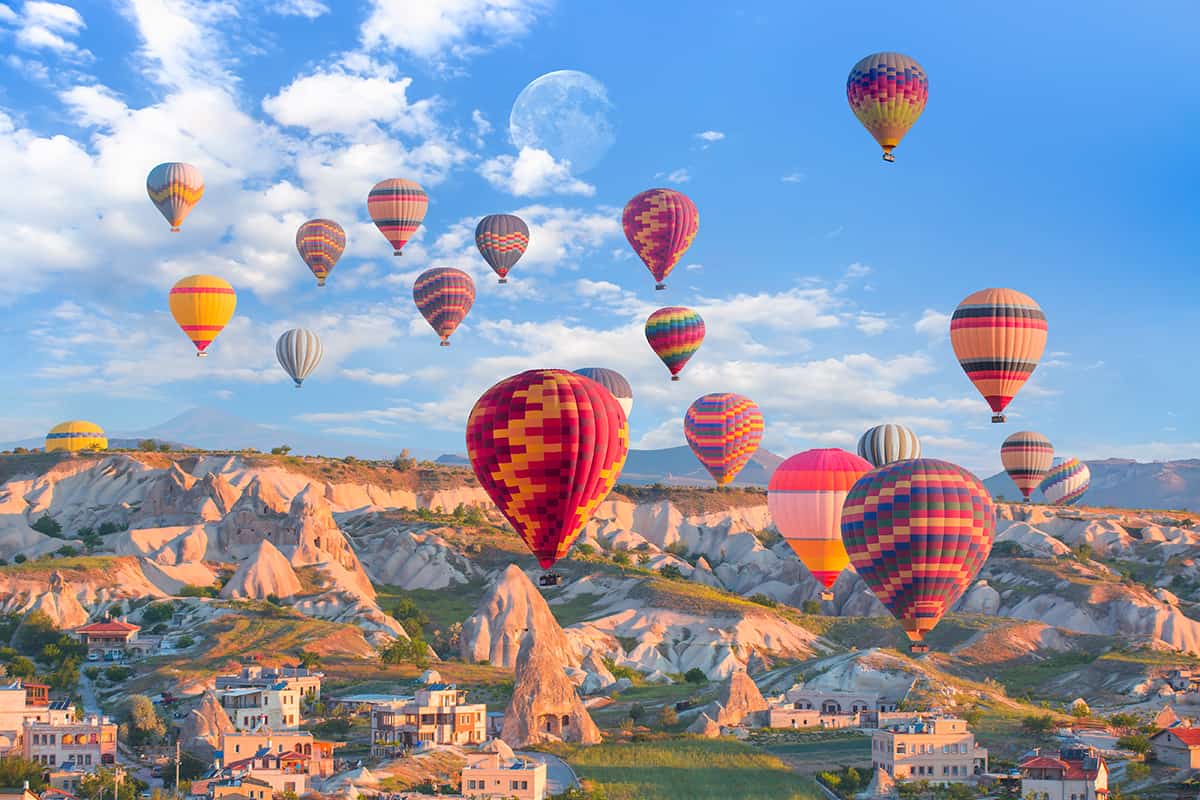
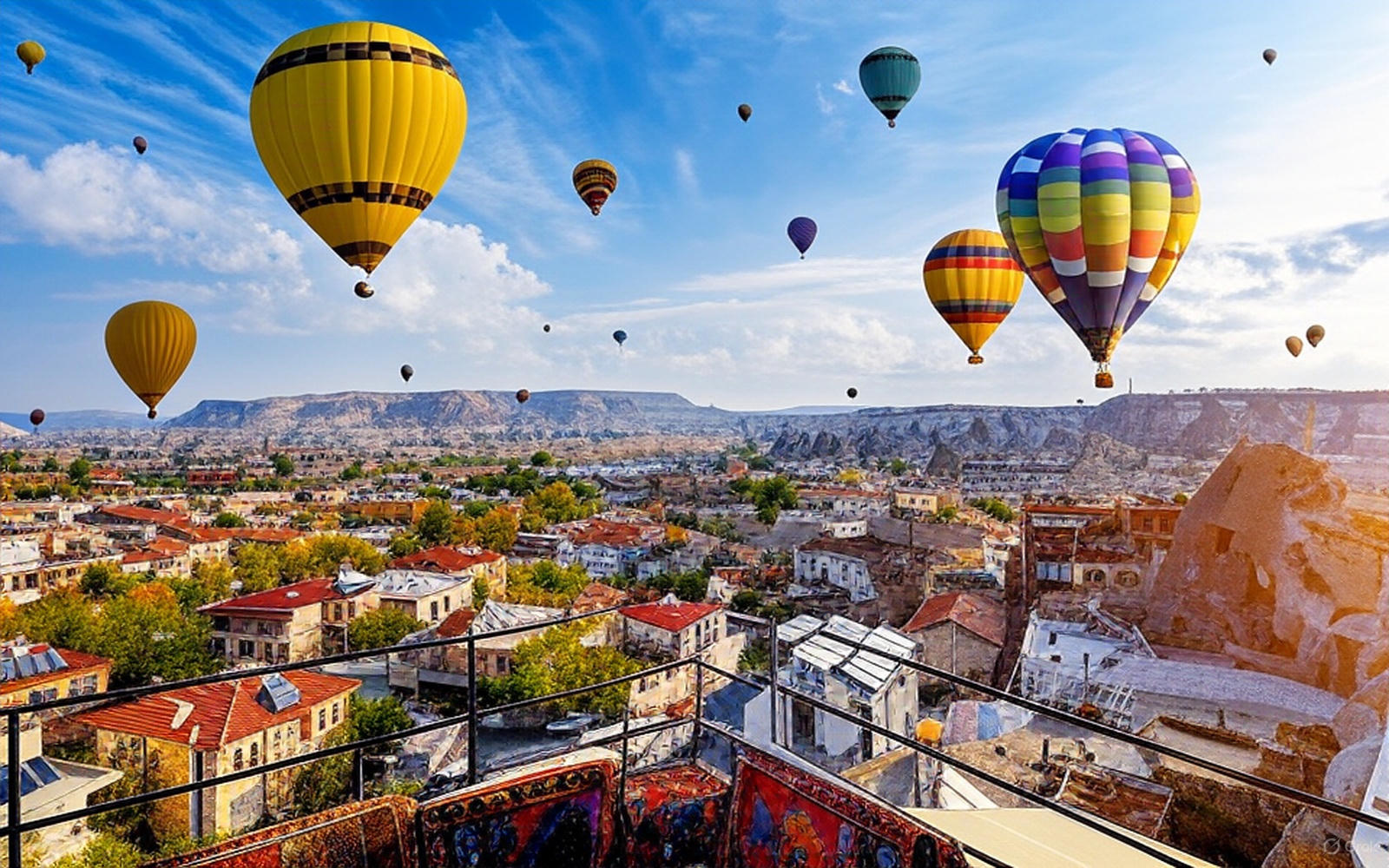
Turkey’s allure lies in its ability to captivate every type of traveler. History buffs will revel in the layers of civilizations—Hittite, Greek, Roman, Byzantine, and Ottoman—that have left their mark. Culture enthusiasts will find endless opportunities to connect with Turkey’s traditions, from its music and dance to its warm hospitality. Adventure seekers will be thrilled by the diverse landscapes, from Cappadocia’s lunar valleys to Istanbul’s bustling waterways.
Travel Logistics: Flights from major U.S. cities to Istanbul are frequent, with Turkish Airlines offering direct routes from hubs like New York, Chicago, and Los Angeles. From Istanbul, domestic flights or comfortable overnight buses connect to Cappadocia in under 90 minutes or 10 hours, respectively.
Best Time to Visit: Spring (April-May) and fall (September-October) offer mild weather, perfect for exploring Istanbul’s streets and Cappadocia’s trails. Summer is vibrant but warmer, while winter in Cappadocia can be magical with snow-dusted landscapes.
Cultural Etiquette: Dress modestly when visiting religious sites (e.g., cover shoulders and knees at mosques). Tipping 5-10% at restaurants is customary. Learn a few Turkish phrases like “Merhaba” (hello) or “Teşekkür ederim” (thank you) to connect with locals.
Safety: Turkey is generally safe for tourists, with Istanbul and Cappadocia being well-traveled destinations. Exercise standard precautions, such as safeguarding valuables in crowded areas like bazaars.

TAXES INCL/PERS
To receive our best monthly deals