

A Gem with a Royal Name and a Chameleon’s Hue
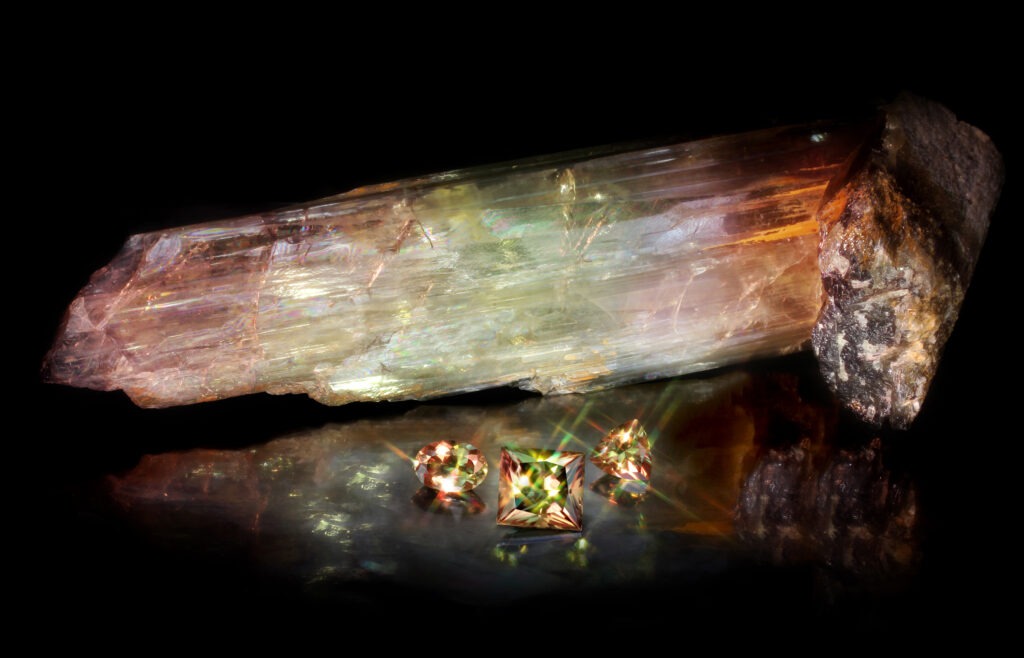
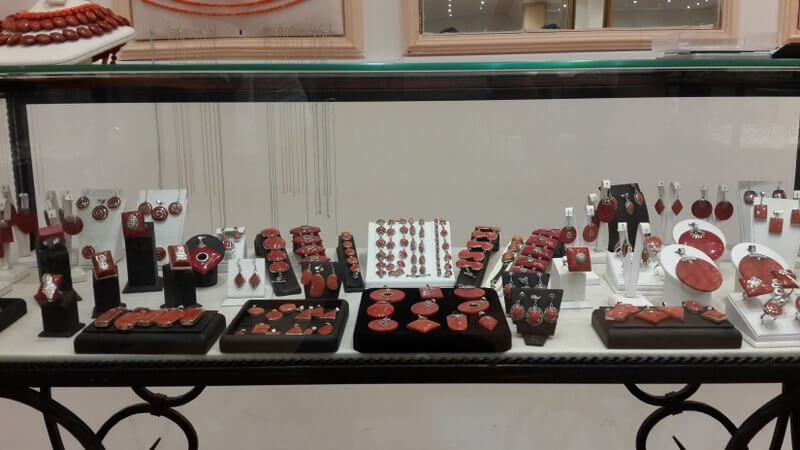
Sultanite is the gem-quality variety of the mineral diaspore. Its name is a tribute to the 36 sultans who ruled the Ottoman Empire. However, the stone’s true claim to fame is its incredible color-changing ability, a phenomenon known as pleochroism.
Depending on the light source, sultanite can dramatically shift in color:
- Under sunlight, it displays beautiful shades of kiwi green and light gold.
- In indoor incandescent light, it transforms into a warm raspberry pink, champagne, or purplish-pink.
- The same stone can even reveal hints of ginger, cognac, or sage green from different viewing angles.
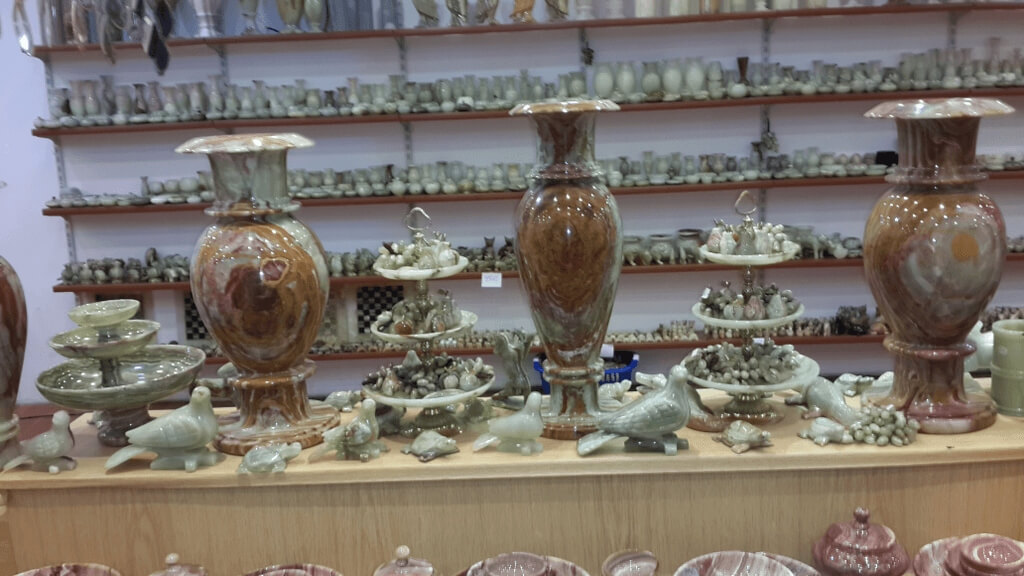
Beneath the moon-like valleys and fairy chimneys of Cappadocia lies another natural wonder: onyx. While the region is famous for its soft volcanic rock, its beautiful, translucent onyx is a testament to the diverse geological forces at play. This isn’t just a stone; it’s a piece of the earth’s story, shaped by millennia of volcanic activity and transformed by skilled local artisans.
The Formation of a Unique Stone
The onyx in Cappadocia is not volcanic like the surrounding tuff, but rather hydrothermal. Its formation is a testament to the region’s dynamic geological history. When volcanic activity subsided, mineral-rich hot springs flowed through underground faults and caves. As this water slowly evaporated, it left behind layers of crystallized calcium carbonate. Over vast periods, these layers built up, creating the banded, translucent stone we know as onyx. The result is a palette of colors that includes shades of white, honey, green, and red, each telling a tale of the unique mineral composition of its place of origin.
From Earth to Art: The Craft of Onyx Carving
For centuries, local craftsmen have recognized the beauty and workability of this stone. The skill of carving onyx has been passed down through generations, making it a proud local tradition. Artisans use both traditional tools and modern machinery to shape the stone, but it’s their hands-on touch that truly brings it to life.
The process is meticulous:
- Cutting: Raw onyx blocks are cut into smaller, more manageable pieces.
- Shaping: Carvers use various tools to meticulously shape the stone, often starting with a rough form and gradually refining it.
- Polishing: This is the key step that reveals the stone’s inner beauty. Polishing brings out the translucency and vibrant colors, making the bands and patterns shimmer.
More Than a Souvenir: The Meaning of Onyx
In Turkish culture, onyx holds a special significance. It’s believed to be a protective stone that absorbs negative energy and brings calm. Because of its purity and elegance, it’s a popular choice for everything from decorative vases and chess sets to finely crafted jewelry. When you hold a piece of Cappadocian onyx, you’re not just holding a beautiful object; you’re holding a piece of a story that goes back millions of years.
Many visitors are surprised to discover large onyx workshops right in the heart of the region. The town of Avanos, already famous for its pottery, is also a hub for onyx carving. Here, you can watch skilled artisans at work, see the raw stone transform, and choose from a wide range of beautifully crafted items. These workshops provide a fascinating glimpse into a lesser-known but equally significant part of Cappadocia’s rich artistic and geological heritage.


Recent Comments