
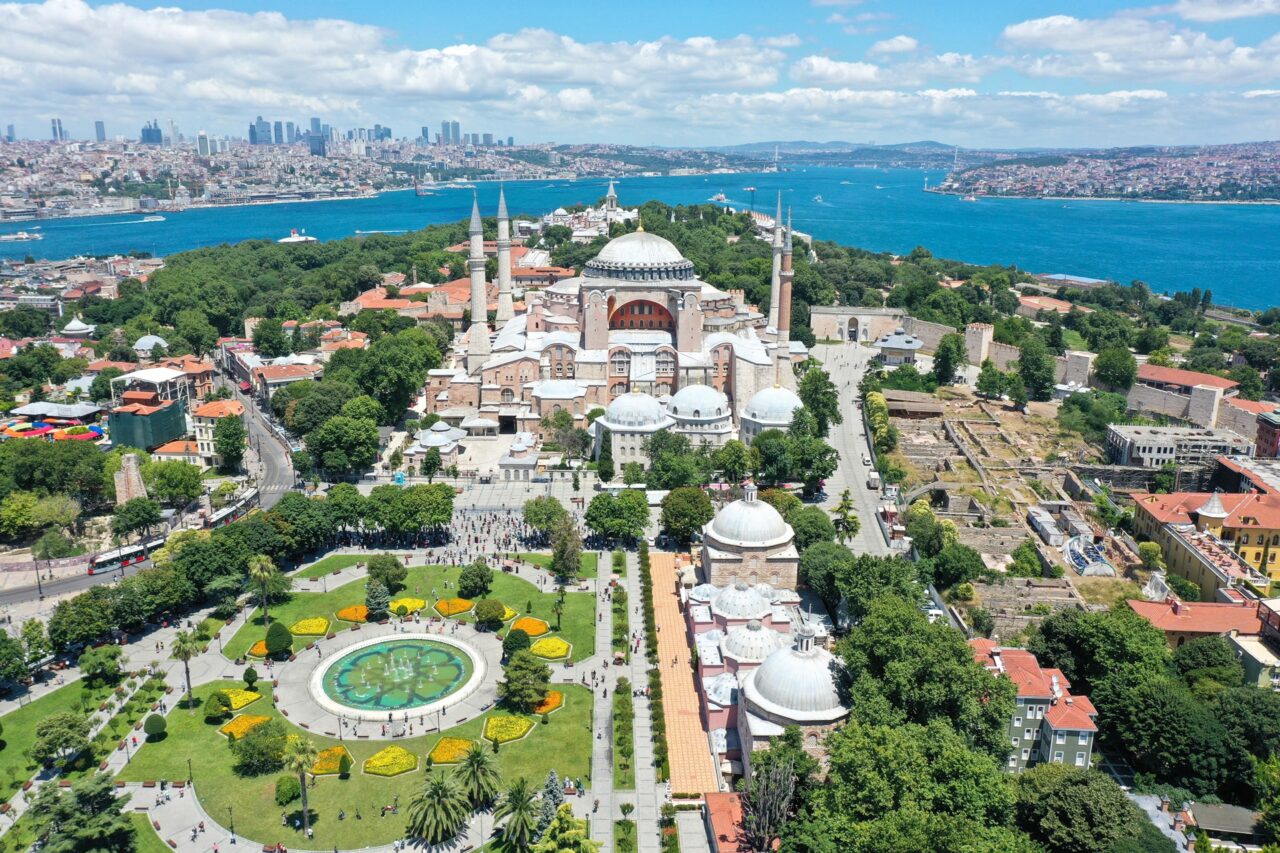


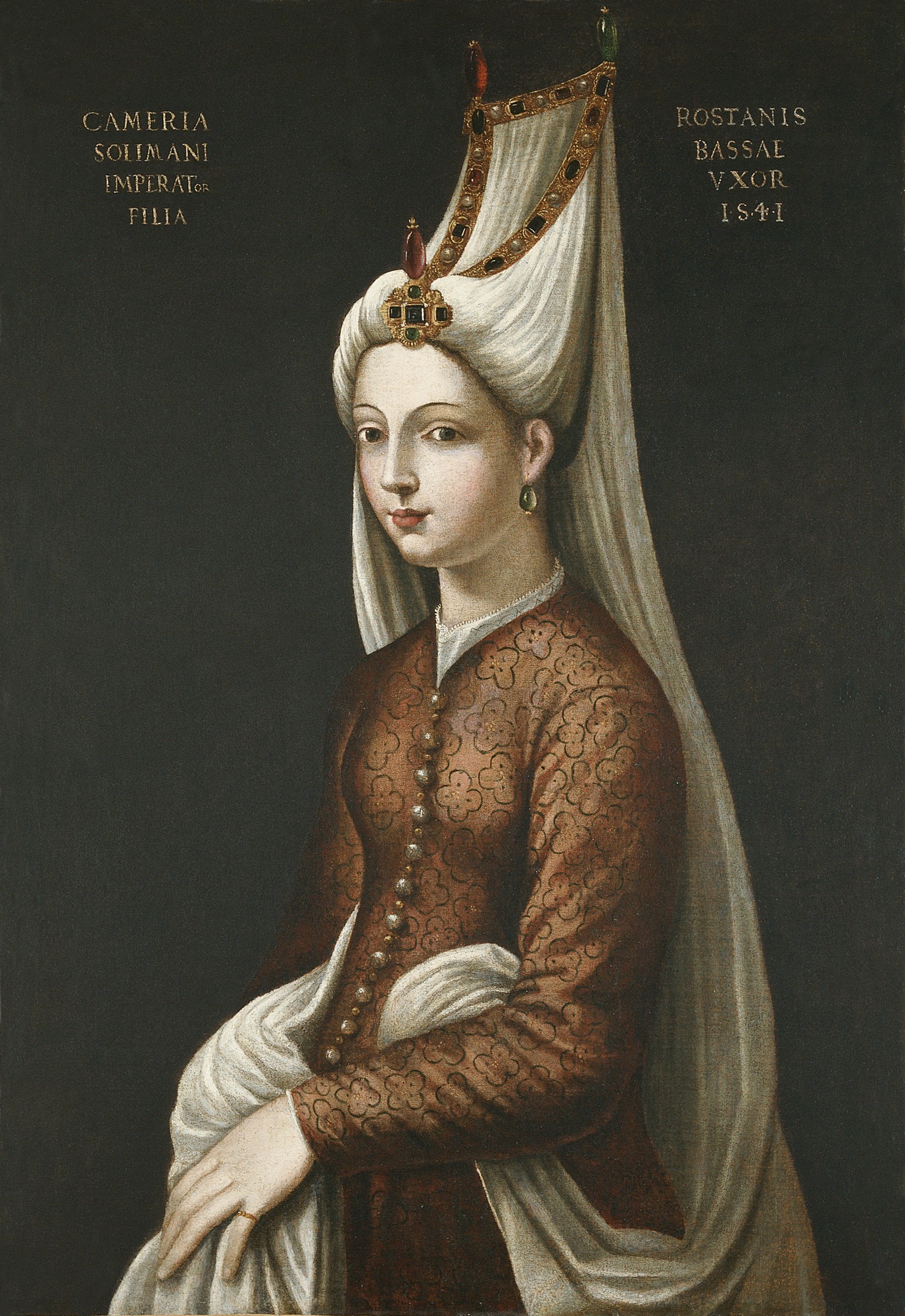
Mihrimah Sultan was one of the most powerful and influential women in the Ottoman Empire.
Her Life and Influence
Power and Influence: Thanks to her parents, Mihrimah Sultan held significant power and influence within the palace. According to historian Mustafa Selaniki, she was the most powerful and revered princess of her time. It is known that she advised her father and brothers on state affairs and provided financial support to the empire.
Family: She was the only daughter of Sultan Süleyman the Magnificent and his wife, Hürrem Sultan.
Name: Her name, “Mihrimah,” is of Persian origin and means “sun and moon.”
Marriage: At the age of 17, she married Rustem Pasha, who later became the Grand Vizier of the Ottoman Empire.
Her Connection to Mimar Sinan
Mihrimah Sultan is also renowned for the architectural works she commissioned from the chief architect, Mimar Sinan. Two large mosques and their complexes were built in Istanbul in her name:
- Üsküdar İskele Mosque: Also known as the Mihrimah Sultan Mosque, it was completed by Mimar Sinan in 1548.
- Edirnekapı Mihrimah Sultan Mosque: Completed in 1570, this mosque is said to be connected to a legendary tale of Mimar Sinan’s unrequited love for Mihrimah Sultan.
Mihrimah Sultan died in Istanbul in 1578 and is the only one of Suleyman the Magnificent’s children to be buried in his tomb at the Suleymaniye Mosque.
Political Influence and Diplomacy
- Advisor to Sultans: After her mother Hürrem Sultan’s death in 1558, Mihrimah became a close and trusted advisor to her father, Sultan Süleyman the Magnificent. She continued this role for her brother, Sultan Selim II, when he ascended to the throne.
- A “Sultanate of Women” Figure: Historians often place her as a key figure in the “Sultanate of Women,” a period when imperial women held significant political power from within the harem. She used her position to influence state affairs, acting as a confidante and a diplomatic liaison.
- The Malta Campaign: Mihrimah is famously known for urging her father to launch a campaign against the Knights of Malta in 1565. To support this military effort, she reportedly promised to outfit 400 galleys from her own wealth.
- Foreign Relations: Like her mother, she maintained a correspondence with foreign rulers, including the King of Poland, which demonstrates the prestige and diplomatic weight her name carried abroad.
Wealth and Philanthropy
- Immense Wealth: Mihrimah Sultan was one of the wealthiest women in the Ottoman Empire’s history. Her vast fortune came from her dowry, gifts from her father, and the vast wealth accumulated by her husband, Rüstem Pasha, who was Grand Vizier.
- Lender to the State: When her brother Selim II became sultan, he was in need of funds. Mihrimah reportedly lent him 50,000 gold coins, highlighting her immense wealth and her role as a financial pillar for the dynasty.
- Charitable Endowments (Waqfs): She used her wealth for numerous charitable projects, or waqfs. In addition to the famous mosques she commissioned, her endowments funded the construction of fountains, madrasas (theological schools), primary schools, and a hammam, all of which provided essential public services.
Her Family Life
A Unique Burial: Mihrimah Sultan died in 1578 and was given a unique honor: she was the only one of her father’s children to be buried alongside him in the mausoleum at the Süleymaniye Mosque, a testament to her special relationship with him and her lasting importance.
Children: With her husband, Rüstem Pasha, Mihrimah Sultan had at least one daughter, Ayşe Hümaşah Sultan, and a son, Sultanzade Osman Bey.
A Life of Loss: She experienced significant family tragedies, including a near-fatal miscarriage. She was a central figure during the succession struggles, which led to the executions of her half-brother Şehzade Mustafa and full brother Şehzade Bayezid.




Recent Comments